Relocating a charity - key considerations
Relocating to new premises is one of the most significant operational decisions a charity can face. There are financial, legal and strategic implications that are easy to underestimate.
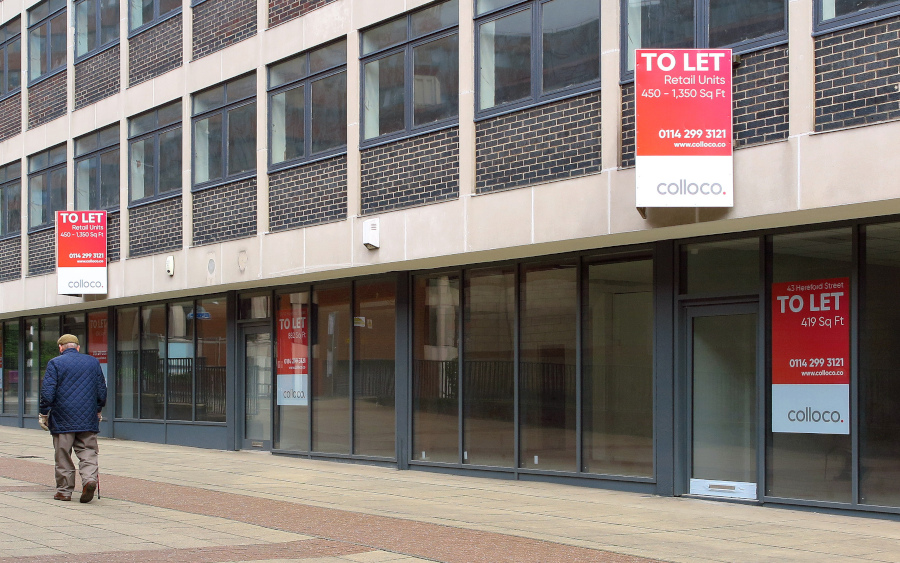
When visiting potential new sites, it is easy to be distracted by different possibilities, so it is important to keep your core requirements in mind. (Photo: Tim Dennell via Flickr CC BY-NC 2.0)
The COVID pandemic had a profound impact on the UK voluntary sector, with many charities struggling to cover their costs due to lost income. However, one unexpected effect of the lockdowns was that many organisations shifted to working from home. When the pandemic receded, many organisations reassessed their space needs and explored new opportunities for flexible working and workspaces.
When thinking about relocating your charity, start by considering the organisation's requirements.
Your space needs, now and in the future
The initial step must be to have a realistic understanding of your charity's property needs.
Start by bringing together a group of stakeholders to assess your organisation's requirements. A working group might include a mix of senior staff and trustees, as appropriate, as well as facilities and property staff, other staff, volunteers and other stakeholders who use your premises.
A staff survey may be useful for highlighting issues such as travelling to work, gaps in the current building design, common complaints.
First, analyse how you are using your current premises. - What works well? - What are the areas that commonly give rise to complaints? - Are your current premises well-located for your service users? - Do staff complain about noise or lack of light? - Is there a lack of meeting rooms? - Should you review your storage requirements?
Looking at these issues will help you to establish some priorities.
Next, consider future needs:
- How do you think your charity will change over the next few years?
- Will it grow or shrink?
- Is your charity thinking about delivering services in a different way?
- How is your charity implementing flexible working? Will your policies change?
- How will technology, including Artificial Intelligence, affect your operational requirements?
Looking at premises - key points:
Once you have started looking at premises, here are the key issues you should record and think about:
1. Space
How much is there? How is it distributed? How flexible is the space? What is the floor plan like? -- Can you get an accurate plan from the landlord/current owners? (This can be surprisingly difficult.)
2. Costs:
You need to tabulate and compare ALL the costs related to a property. These may include:
- rent
- rates
- service charges
- insurances
- fees: solicitors, structural reports, surveys,
- possible building works - see item 4, below
- services - e.g. energy bills
- other considerations: Can you negotiate a rent-free period? Could you sublet if necessary?
3. State:
What condition is in it?
- Surveys, building services, condition reports and/or structural reports, if available
- Records of work done
- Maintenance logs
- Services - how is heated and/or ventilated and what state are the services in?
- Noise levels, light levels, etc.
4. Refurbishment Requirements:
- What needs doing and who will pay for it?
- Minor redecorations or major building works?
- Do the services need upgrading?
- What is the scope of works?
- What is the urgency of works?
- What is the controllability of works?
- What is the status of the building -- e.g. is listed?
- Will you need building permissions, planning permission, etc.?
5. Location and Accessibility:
- What does the locality feel like? Is it safe? If you plan evening or weekend use, would you need to employ security?
- What are transport links like? How important is that your staff, stakeholders and visitors can easily travel to the site? Is there sufficient transport infrastructure - including parking and space for bike storage, for example.
- Are there restrictions on the use of the building?
- What about other organisations in the building?
- How accessible is the site/the building? Is there public access? Disabled access?
- Do you need access for refurbishment works -e.g. skips, heavy equipment, etc.?
6. Dynamics: What could change over time?
- How long is the lease?
- How often are the rent reviews?
- How are they structured?
- What about the current occupant?
- What is the timetable for availability?
- Are there likely to be any changes in status?
- Could you increase or shrink the amount of space your charity has, if necessary?
7. Local partnerships, co-working and amenities:
There has been a big rise in voluntary sector organisations moving into co-working spaces, whether rented from other charities or general property companies.
Questions you could ask about co-working or sub-letting spaces from other organisations:
- Who else is in the building?
- What is the timeframe? Will your charity need to relocate again in a few years' time because the building is being redeveloped?
- How good are the communal spaces and services?
- What minimum service levels is the landlord offering?
- Is there a possibility of linking with your neighbours to share services?
- Are there organisations in the building/area with whom you could work?
- Are there opportunities for joint working?
- Is it possible to ask current tenants about their experiences of using the space?