£40m in new funding for energy projects
The Ofgem Energy Redress Scheme has distributed more than £128 million to voluntary sector energy projects since 2018 — funding that comes directly from fines levied on energy companies that failed their customers.
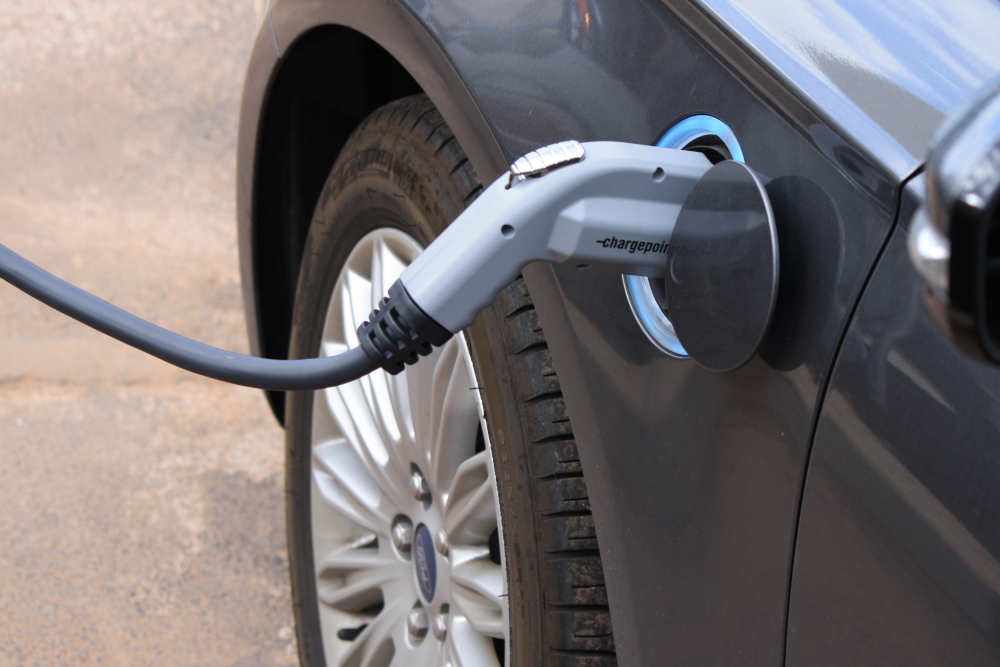
Many of the projects previously funded by the scheme offered advice to older people and vulnerable community members, but there were also projects which installed electric vehicle charging points for residents. (Photo: Noya Fields via Flicker CC BY-SA 2.0)
The Ofgem Energy Redress Scheme has opened a new funding round with £40 million available for grants to voluntary sector organisations in England, Scotland and Wales. The application deadline is January, 2025.
The grants can fund up to 100% of project costs and can cover revenue and capital measures. The minimum grant is £20,000. The scheme can only fund projects lasting up to two years.
The Energy Redress Scheme is managed by the Energy Saving Trust and will support projects in three priority areas:
- Supporting energy consumers in vulnerable situations
This focuses on helping people most at risk from cold homes and high energy bills. (Note that there may be additional priorities, for example, a specific geographical focus or type of energy consumer. These will be made clear to applicants.)
- Innovation Projects
Up to 15% of the funds can support the development of innovative products and services related to energy that have a realistic prospect of delivering benefits to existing and/or future energy consumers and that help to reduce the environmental impact of energy use.
Projects seeking support through the Innovation funding stream should involve:
- testing or trialling the roll-out of products or services that are ready to implement but not yet accessible to energy consumers or certain groups of energy consumers
- conducting research or analysis into the development of products or services not yet accessible to energy consumers or certain groups of energy consumers.
- Carbon Emissions Reduction Fund
Lastly, up to 15% offunds can be used to support energy-related activities aiming to carbon dioxide emissions from energy use. These projects must focus on energy generation, distribution or energy use.
Projects seeking support through this funding stream must demonstrate:
- measurable and lasting reductions in the carbon intensity of energy end use and accelerate the transition to Net Zero CO2
- a realistic prospect of delivering broadly replicable benefits to existing and/or future energy consumers
The funding is not presently designed to support energy-saving improvements or energy-generation technology in individual community buildings and facilities.
How to apply and timetable
The deadline for applications to this funding round is 5 pm on 15 January, 2025. Applications should be made via the Energy Redress website. Organisations that haven’t yet registered with the scheme must do so **ten working days before** the relevant fund closes to allow time for eligibility checks.
If your charity wants to apply for funding, check the latest guidance documents, to ensure that your project meets the funding priorities and that you provide all the necessary information in the application form.
£128million awarded to date
Since 2018, the Energy Redress Scheme has funded more than 611 projects across England, Scotland and Wales, with a total of £128 million allocated. Cathryn Scott, regulatory director at Ofgem, said:
“We’ve seen hundreds of brilliant projects so far, and nearly £130million allocated because of the Energy Redress Scheme. It’s fantastic to see the scheme in its tenth round of funding, offering another £40million worth of grants.
“Much of this funding is a direct result of Ofgem’s compliance and enforcement work. We strongly encourage charities and community groups working in the energy sectors across England, Scotland and Wales to apply.”
Funds come from poorly performing energy companies
The Energy Saving Trust was appointed by Ofgem to distribute payments from companies who breach their licence conditions or are found to be failing customers.
In 2023, the regulator recovered a total of £77.2 million in fines, customer refunds, compensation and alternative action payments – up by £50.5 million compared to 2022’s total of £27.3 million. This includes £5 million worth of fines.
Examples of breaches by energy companies include:
- Electricity generators that unfairly raised consumer bills: for example Ofgem ordered electricity generator EP SHB Ltd to pay £23.63 million for breaching its generation licence in a way that unfairly raised consumers’ bills.
- Poor customer service: for example domestic energy supplier E.ON Next Energy Limited had to pay £5 million in compensation for poor standards of customer service. Ofgem found severe weaknesses at E.ON Next, notably in relation to excessive call waiting times and high abandoned call rates.
- Failure to automatically provide compensation for final billing when switching: for example, E.On Next, Good Energy and Octopus Energy either missed or unduly delayed compensation payments, which fell due because the supplier did not provide a final bill within six weeks when a customer switched to another provider.
As well as fines and alternative action payments, Ofgem also made energy firms pay £13 million to customers in 2023 – over a million pounds a month – for poor service. The vast majority of money recovered from energy companies was paid into Ofgem’s Energy Redress Fund.