Ethical procurement and purchasing
Many charities have introduced ethical procurement policies. This page sets out some key considerations.
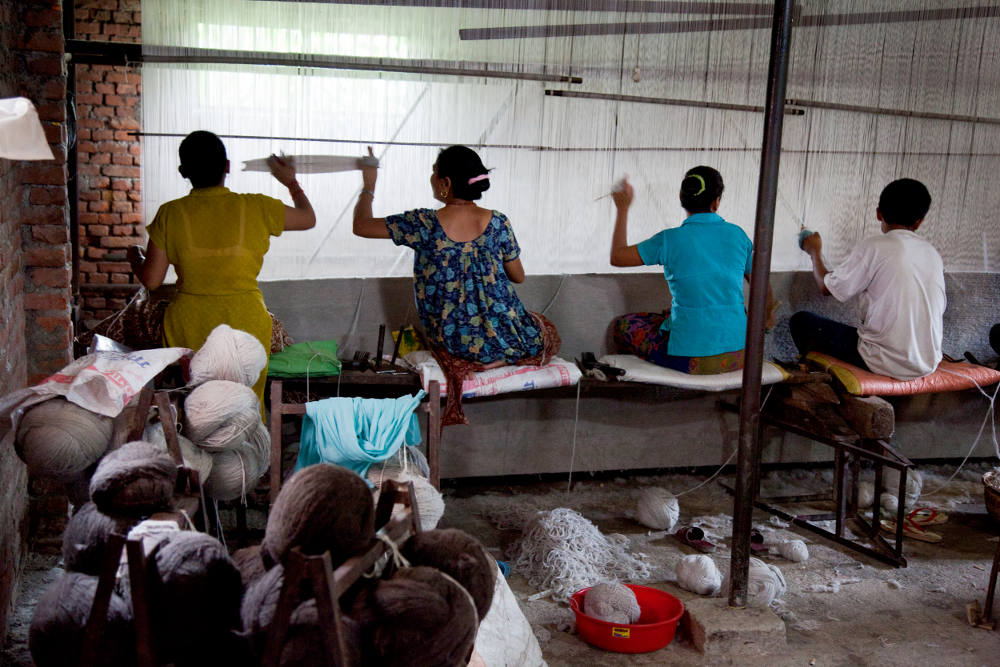
The Goodweave network aims to end illegal child labour in global supply chains.
Ethical purchasing and/or procurement policies aim to promote good labour and environmental standards in supply chains.
What do ethical procurement policies include?
Policies typically set out
a) the standards which the organisation abides by, and
b) the standards which not-for-profit organisations require from their suppliers, their agents, sub-contractors, and sometimes also governments and communities.
Standards to include
Different charities may have particular areas of concern, and the policies should be proportionate to the size of individual contracts, but typically standards will cover:
Compliance with the law
- The supplier (and their agents and subcontractors) shall comply with the law in all areas where they operate.
- Supplier shall comply with the Modern Slavery Act 2015
- Suppliers must respect human rights, e.g., they shall not use indentured labour, they shall not discriminate on the basis of gender, race, religion, etc.
Working conditions
- Suppliers must provide a safe and healthy working environment
- Suppliers shall provide acceptable working conditions, for example, clear terms of employment, limits on working hours
- Suppliers shall pay a living wage
- Employees must have the right to join unions and/or bargain collectively
Business practice
These requirements may cover such issues as payment of invoices, compliance with tax regimes, anti-bribery legislation, etc. Your charity may also wish to specify that suppliers are not in any way involved in the arms trade or other businesses which conflict with your charity's remit.
Environmental sustainability
- Suppliers shall comply with environmental regulations
Sustainable procurement policies may also include advisory elements encouraging suppliers to work towards higher environmental standards.
Maintaining integrity
Ethical procurement also involves your staff maintaining strict integrity when it comes to selecting people for tendering work, awarding business to suppliers and contractors and evaluating their performance.
Challenges to address
Higher costs: Ethical suppliers often have higher overheads, for example, they may pay higher wages or use more expensive but sustainable materials. Their higher costs can lead to higher prices, which may conflict with an organisation's duty to spend its funds as efficiently as possible.
More effort: Checking suppliers and contracts is time-consuming and can require legal or financial knowledge. Smaller charities and community groups may find it difficult to rigorously implement policies that looked good on paper.
Limited choices: In some sectors, there may be very few ethical suppliers to choose from. This could result in higher costs.
"Greenwashing": Commercial organisations can seek to leverage ethical marketing language without actually operating in an ethical manner. Organisations need to confirm that suppliers and contractors are maintaining good practice, which takes time and effort.
Crisis response: Complying with procurement policies makes it difficult to respond to a crisis. Many organisations seek to offset this risk by drafting an emergency protocol which can temporarily waive the usual procurement standards.
Process: designing and implementing an ethical procurement policy
How to draft a policy
Some charities may begin by holding a stakeholder consultation to identify the key areas of concern. Another route is to set up a staff working group. In smaller organisations, a senior manager may be asked to draft a policy, drawing on input from staff with purchasing responsibilities.
Getting agreement
The policy should be approved by your chief executive and the Board of Trustees. Board approval signals an organisational commitment that goes beyond individual purchasing decisions.
Communicating your policy
Once your organisation has agreed a policy, it is essential that that policy is communicated across your charity, so that all staff who may be entering into purchasing arrangements are aware of its requirements and ensure they are implemented. You may wish to set up training sessions for staff who are regularly involved in purchasing.
Similarly, you should implement a plan to clearly communicate your policy to all existing and future suppliers and contractors, and their staff.
Any discussions about tenders and new contracts should include provision of a written copy of your policy to potential suppliers and contractors. Contracts should reference the policy.
Many charities publish their policies online. But you should also directly discuss your procurement policy with suppliers, rather than relying on them having read your website.
Monitoring
Monitoring whether your suppliers are abiding by your policies may be as simple as meeting with contractors and going through your ethical purchasing policy together, ticking off each requirement as you go.
Monitoring compliance is much more difficult if you are dealing with suppliers in distant countries, or with a long and complex supply chain. In these instances initiatives such as the Fairtrade label can be helpful.
Where resources permit, the most effective strategy may be to engage with suppliers and to encourage them to improve their standards.
Guidance and further resources
ISO 20400:2017 provides guidance to organizations, independent of their activity or size, on integrating sustainability within procurement - follow the link below
One simple way to move towards sustainable procurement is to identify organisations leading the way such as the Fairtrade Foundation. Fairtrade is the best-known ethical label in the UK. It works with 1.6 million farmers and workers across 74 developing countries, providing a safety net against volatile market prices.
Fairtrade sets social, economic and environmental standards and certifies products and ingredients. The Fairtrade logo on products indicates that Fairtrade standards have been met by the farmers, workers and companies that are part of products’ supply chains.
The Ethical Trading Initiative (ETI) is a membership organisation which aims to improve working conditions in global supply chains. It has developed the ETI Base Code of labour practice, which sets out standards based on the work of the International Labour Organisation (ILO).
The Ethical Procurement for Health Workbook aims to provide practical guidance for organisations in the health and social care sector to embed labour standards considerations into procurement and supplier management activities.