Climate change means that water supplies are becoming more unpredictable. Saving water is good for the environment and can also save your charity money by reducing your bills for water use and sewage services.
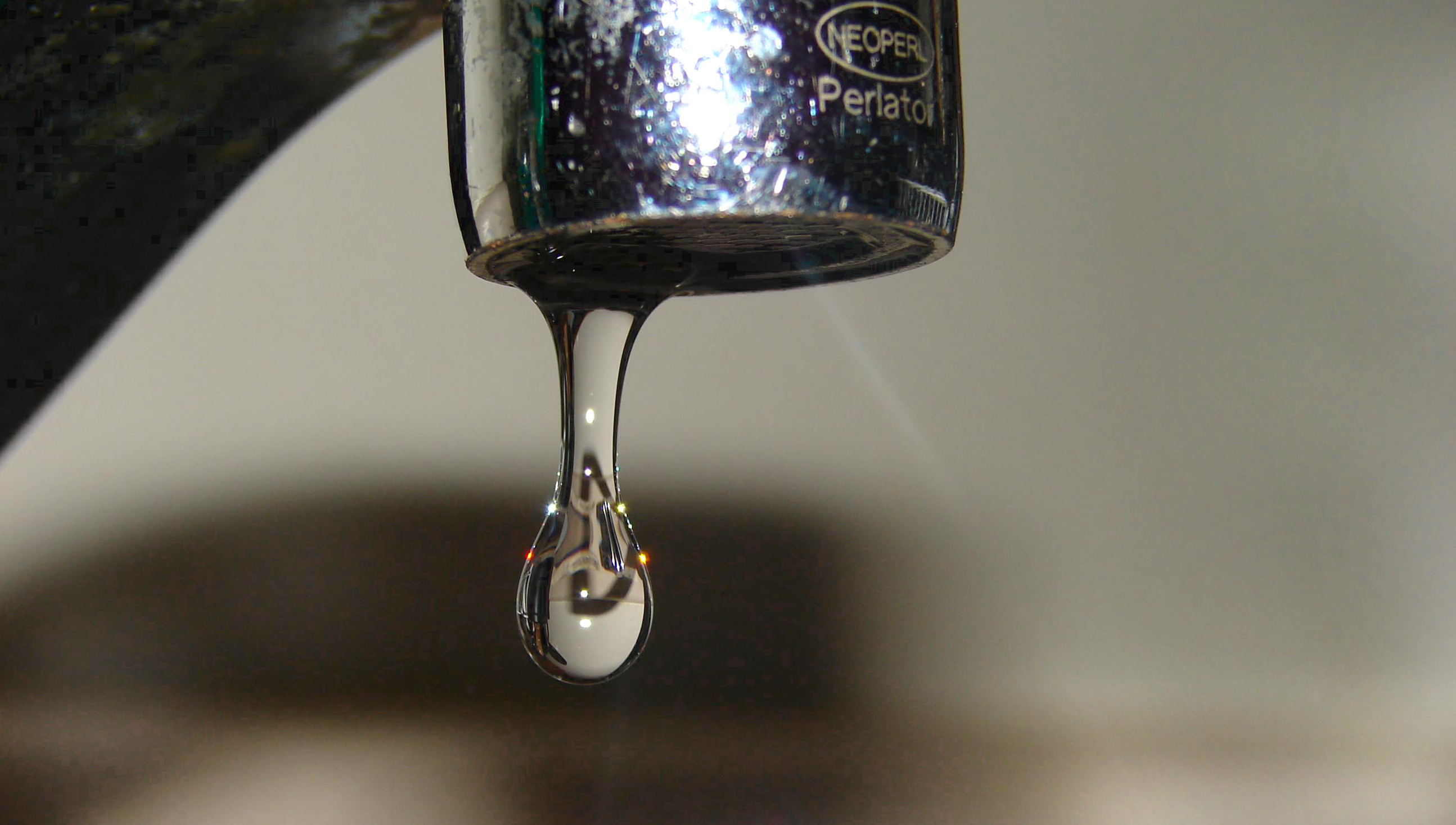
The UK's water supplies are under huge and steadily increasing pressure. The Environment Agency estimates that England’s public water supply could be short by 5 billion litres a day by 2055 without urgent action to safeguard supplies. By 2030, global water demand is projected to exceed available resources by 40%. We need to begin to think about water as a limited resource.
For most organisations, bills are projected to rise sharply by 2028, so taking action to save water makes sense on all fronts.
First, steps
Audit
The first step is to audit where water is used by your charity.
Measure how much water your organisation is using and how much it is costing. Check your water meters and bills and find out how much water use and disposal is costing you. Also review the indirect costs related to water use: the costs of water heating, plumbing and drainage repairs and maintenance, as well as consumables such as laundry products.
Understanding the complete picture of your charity's water use will help to establish base-line information, identify ways of saving water and help you to set targets.
Plan
Develop a plan for reducing the amount of water your charity uses. This should be a simple, step-by-step guide outlining your specific goals and strategies.
Communicate
Communicate the plan across the organisation and secure commitment at board and senior management level. Committing to water efficiency brings financial and reputational benefits: cost savings, a reduced carbon footprint, and a visible contribution to the organisation's environmental responsibilities. Emphasise these benefits:
- saving money
- reducing your charity’s carbon footprint
- contributing to corporate responsibility goals
- saving energy - using less hot water means you will be paying lower heating bills
Taking action
Options for reducing your water use:
- reduce the flow of water
- modify existing items so that they use less water
- replace existing items with water-saving equipment
- re-use grey water
- educate staff about using less water
Locate and Fix Leaks
Prevent unnecessary water loss at your properties by finding and repairing all leaks and developing a preventive maintenance program. Part of this program should be to make a checklist of all potential sources of leaks – and instigate regular inspections of equipment.
Toilets and shower rooms
- install water-saving fixtures in toilets and showering areas such as water-efficient toilets and urinals
- tap aerators to reduce the flow of water from taps and shower head
Kitchens
- install tap aerators
- use dishwaters which are designed to use less water
- if your charity has laundry facilities, consider installing washing machines which use less water.
Outside
- Do not hose down paths and driveways as a matter of habit. Use a broom to sweep them.
- Landscaping choices: use plants which are tough enough to survive without irrigation. Turf over those areas which will be used for recreational activities.
- Harvest rainwater: use water butts to collect rainwater and use it for watering.
- If you use a sprinkler system, ensure that the sprinklers are not spraying paved surfaces. Don’t use hoses and sprinters when it is windy.
- Inspect sprinkler systems regularly to ensure that they are functioning as intended.
- If you have a grounds maintenance contract, discuss your water-saving policy with them and ensure that contractors follow your policies.
Advanced steps
If you are undertaking refurbishment or new developments, consider installing grey water systems. Grey water is tap water that has been used: in washing machines, tubs, showers, and bathroom sinks. It is not potable - safe to drink - but it is also not toxic and generally disease-free. Grey water reclamation is the process that reuses this water instead of simply piping it into a sewage system.
Rainwater harvesting systems can be a viable option for charities where a building has a large roof area and the organisation also has a high demand for nonpotable water.
Involve your staff and service users
Educating your staff and users to be aware of water use and water waste is an important step to improving your water use over the long term.
- publicise your water conservation goals
- communicate regularly about water conservation to increase awareness of water waste
- encourage people to ensure faucets are turned off and to report leaking taps
- give recognition to those who get involved
Water suppliers
Water supply and sewerage management in England and Wales is delivered by 27 regional companies.
Householders receive their water based on location, but in England, eligible businesses can choose their retailer for water and/or wastewater services.
The Consumer Council for Water lists all suppliers on its website. You can choose from any of the suppliers licensed to provide retail services.
The Open Water programme was set up by the UK Government to open the water retail market for business, charity and public sector customers in England. Its website publishes advice on switching and a full list of water suppliers.
The charity Waterwise has a web page with advice on water saving.