Good maintenance is essential for building sustainability and resilience
National Maintenance Week emphasises the crucial role of regular maintenance for energy-efficient and sustainable buildings.
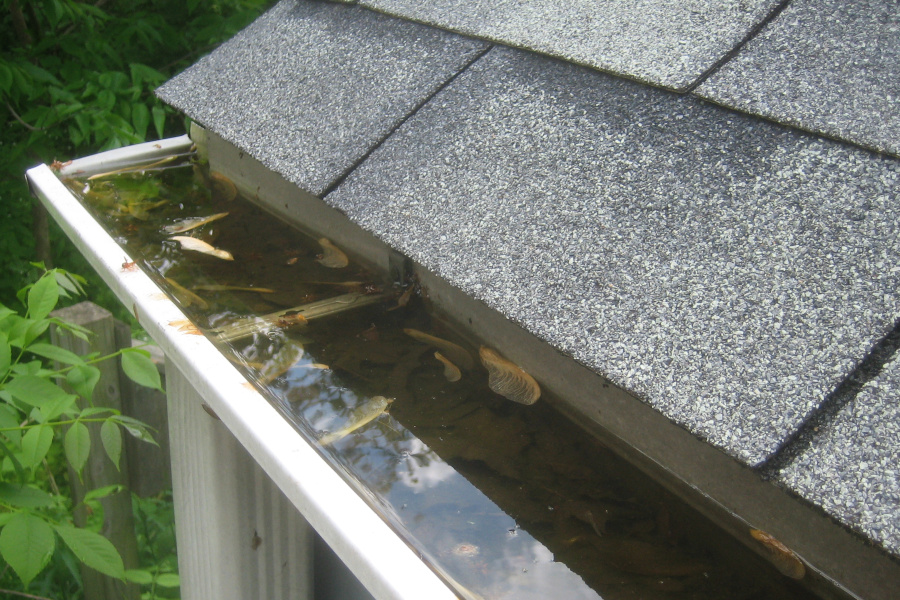
National Maintenance Week is in November because this is when autumn leaves are most likely to accumulate in gutters. Gutters blocked by leaves can result in damaging water overflows and damp. (Photo: Eric Schmuttenmaer via Flicker CC BY-SA 2.0)
Maintenance has always been the Cinderella of the construction industry: it's seen as a bit dull, much less exciting than having a shiny new building. But maintenance is a fundamental component of sustainable building management, and repairing and maintaining buildings can reduce costs, environmental impacts and support sustainability and resilience.
National Maintenance Week takes place every November and aims to encourage property owners and managers to carry out maintenance checks and repairs on their buildings before winter sets in. This helps to look after the buildings - and ensures they are more sustainable, too.
Well-maintained buildings perform better
Good building maintenance is also important for the health of building users. Boilers should be checked by a qualified person every year for both safety and efficiency, while simple steps such as finding and stopping drafts can significantly reduce heat loss and complaints about cold. Regular maintenance of ventilation systems and good cleaning protocols will help ensure a healthy indoor environment.
Financial benefits.
From a financial perspective, regular maintenance is an investment in sustainability that pays dividends. Effective maintenance is critical for protecting the value of a charity's property assets.
Maintenance helps to reduce energy costs: maintaining building systems such as heating and ventilation to operate at peak efficiency can save as much as 30% in energy bills.
One important step is to ensure that all relevant staff understand and implement good practices regarding building systems. Senior staff and trustees responsible for authorising maintenance budgets need to understand what adequate provision looks like.
Prevention is better than the cure: regular maintenance extends the lifespan of buildings and their components, reducing the need for expensive replacements that consume energy and resources. Carrying out regular inspections of buildings and ensuring they are well-maintained is a cost-effective and sustainable approach to building care.
Charities and nonprofits with numerous large buildings will have annual maintenance plans with scheduled inspections throughout the year, but voluntary groups and community organisations with just one or two buildings can also benefit from scheduling a regular 'maintenance week'.
Maintenance for historic buildings promotes sustainability
Policymakers and conservation managers have long recognised that the best way of protecting and maintaining historic buildings is to undertake both proactive and reactive maintenance. However, this practice remains poorly implemented - and when it is undertaken, it often results in varying degrees of success. A 2009 study warned that: "Unless this situation is improved, much of our culturally significant buildings will be lost to future generations."
Clear those gutters!
The campaign, spearheaded by the Society for the Protection of Ancient Buildings (SPAB), particularly focuses on practical advice for owners and managers historic and traditional buildings - but all buildings benefit from regular repairs and maintenance.
This year, the SPAB is highlighting the importance of dealing with damp, noting that damp is the number one cause of damage and deterioration in old buildings.
A key feature of the campaign is "National Gutters Day," which typically falls during the week and highlights the importance of keeping gutters and downpipes clear and functioning properly. Blocked or broken guttering can lead to serious water damage in buildings.
As the UK increasingly sees heavy downpours, keeping gutters clear is a simple but important way to adapt to a changing climate. Another useful step is to watch your building's gutters during heavy rain: if they are clear but still overflow, you may need to consider upgrading your rainwater goods to accommodate larger flows of water.